

Rendang is not just a dish; it’s a living history served on a plate. Known for its deep, complex flavors and slow-cooked technique, Rendang has become one of the most internationally recognized dishes from Indonesia. But behind its spicy and savory taste lies a fascinating cultural journey that spans centuries, regions, and generations.
In this article, we explore the history of Rendang, from its Minangkabau roots to its modern global recognition.
🌿 Origins of Rendang: The Minangkabau Legacy
Rendang originated from the Minangkabau people in West Sumatra, Indonesia. It was traditionally served during special ceremonies, celebrations, and important communal gatherings such as weddings or Hari Raya (Eid). The dish was more than food — it was a symbol of honor, patience, and tradition.
💡 Did You Know?
The word Rendang comes from the Minangkabau word “merendang,” which means slow cooking until dry. This cooking process reflects the dish’s essence: slow, deliberate, and full of meaning.
🧭 Historical Purpose: Preservation and Trade
Centuries ago, refrigeration didn’t exist. So how did people preserve food for long journeys?
Rendang was the perfect solution.
By slowly simmering meat in coconut milk and spices for hours until it dried and the oil separated, Rendang could last up to several weeks without spoiling. It became the ideal food for Minangkabau travelers, merchants, and pilgrims journeying across the Indonesian archipelago and beyond.
This preservation technique helped spread Rendang throughout Sumatra, Java, Malaysia, and even parts of Thailand and Singapore — where local versions still exist today.
📜 Cultural Meaning in Minangkabau Society
In Minangkabau culture, Rendang isn’t just food — it represents core philosophical values:
| Ingredient | Symbolism |
| Meat (usually beef) | The leaders or elders of the community |
| Coconut milk | The intellectuals or teachers |
| Chilies & spices | The religious figures |
| Other spices | The people or community members |
Together, these ingredients reflect balance, harmony, and unity — fundamental values in Minangkabau tradition.
🌍 The Spread of Rendang Across Indonesia and Beyond
As Minangkabau people migrated or traded across Southeast Asia, they brought Rendang with them. Today, you’ll find many regional variations, including:
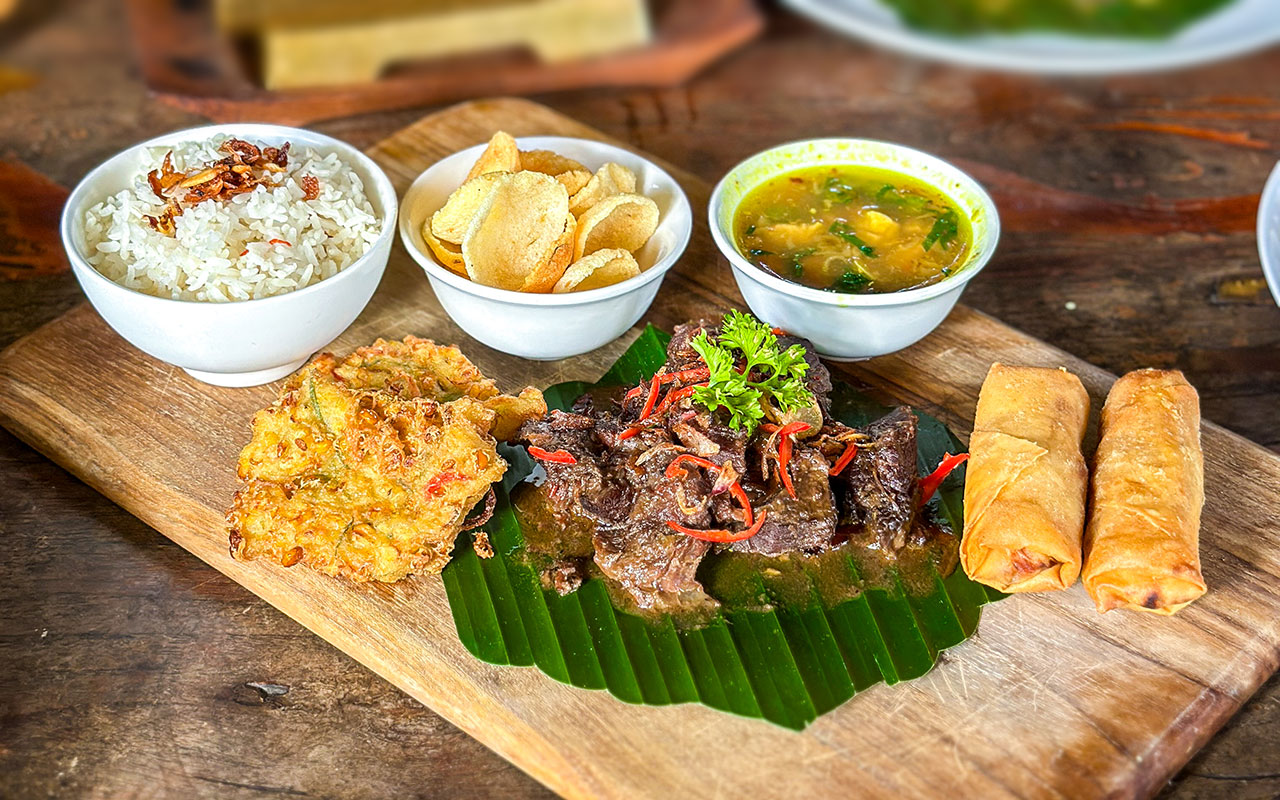
- Rendang Daging (Beef Rendang) – the classic, dry and dark version
- Rendang Ayam – made with chicken, lighter and quicker to cook
- Rendang Paru – made from beef lung, chewy and rich
- Kalio – a wet version of Rendang, cooked for a shorter time
- Malaysian Rendang – often sweeter and saucier, with added kerisik (toasted coconut)
Rendang’s adaptability helped it grow beyond Sumatra, becoming a national dish of Indonesia and a beloved delicacy in Malaysia, Brunei, and Singapore.
🏆 International Recognition
Rendang gained global fame in the 21st century when CNN International’s “World’s 50 Best Foods” survey named it the #1 dish in the world in 2011 and again in 2017, based on reader votes.
This international spotlight turned Rendang into a global ambassador of Indonesian culinary culture — appearing in high-end restaurants, cooking shows, and global food festivals.
🧠 Modern Takes and Evolution
While the traditional beef Rendang remains a classic, modern chefs and home cooks have started experimenting with:
- Mushroom Rendang (Vegan Rendang)
- Rendang Jackfruit
- Rendang Burgers or Tacos
- Rendang Pizza (Fusion cuisine)
Despite these creative takes, the core philosophy of Rendang remains: deep flavor, slow preparation, and cultural meaning.
🧭 Conclusion: More Than Just a Dish
The history of Rendang is a story of resilience, identity, and cultural pride. From its ceremonial roots in Minangkabau society to its modern-day fame on the world stage, Rendang remains one of the most powerful representations of Indonesian heritage.
So the next time you enjoy a plate of Rendang, remember — you’re tasting centuries of history in every bite.